When I first heard about TWEFDA’s innovative energy solutions, I was intrigued by their bold approach to tackling one of the most pressing challenges of our time: balancing the grid while reducing carbon emissions. The energy sector is evolving rapidly, and companies like TWEFDA Limited are at the forefront, pioneering hybrid wave energy and storage technologies that promise to reshape how we think about renewable power. In this post, I’ll walk you through what makes their approach unique, how it works, and why it matters for the future of energy.
Understanding the Need for Innovative Energy Solutions
The energy landscape is complex. With increasing demand and the urgent need to cut carbon emissions, traditional power grids face significant challenges. Grid operators must balance supply and demand in real-time, which becomes tricky when relying on intermittent renewable sources like wind and solar. This is where innovative energy solutions come into play.
TWEFDA’s approach focuses on hybrid wave energy systems combined with energy storage. Why wave energy? Because the ocean is a vast, starting to be commercialised resource that offers consistent and predictable power generation potential. Unlike solar or wind, wave energy can provide a more stable output, which is crucial for grid stability.
Integrating energy storage also allows excess energy to be saved and dispatched when demand peaks or renewable generation dips. However the most remarkable feature of TWEFDA’s approach links with the dual functionality (Generation/Storage) within one single PTO (Power Take Off)
At first sight, you may think that a single PTO may limit the scope of work. If there were two PTOs the device could be simultaneously generating and storing energy but with one single PTO, the effectiveness seems to be constrained. When speaking about the Grid, the reality differs from the expectation. At any times the Grid and other offshore ecosystems require either Generation to keep up with demand, OR Storage to deal with the excess generation of other intermittent sources like solar or wind.
If there were two PTOs in one single frame, not only will you need to pay for both PTOs. At a particular time if the generator PTO is assisting the consumer to cover a lack of generation, then the storage PTO may need to stop because a storage device in charging mode is effectively a consumer. This is why one hybrid PTO capable of adapting to consumer’s solicitation provides service, while avoiding harming consumer’s solicitations at any given time.
This hybrid model is a game-changer for grid operators and renewable energy farms looking to maintain reliability without resorting to fossil fuels.
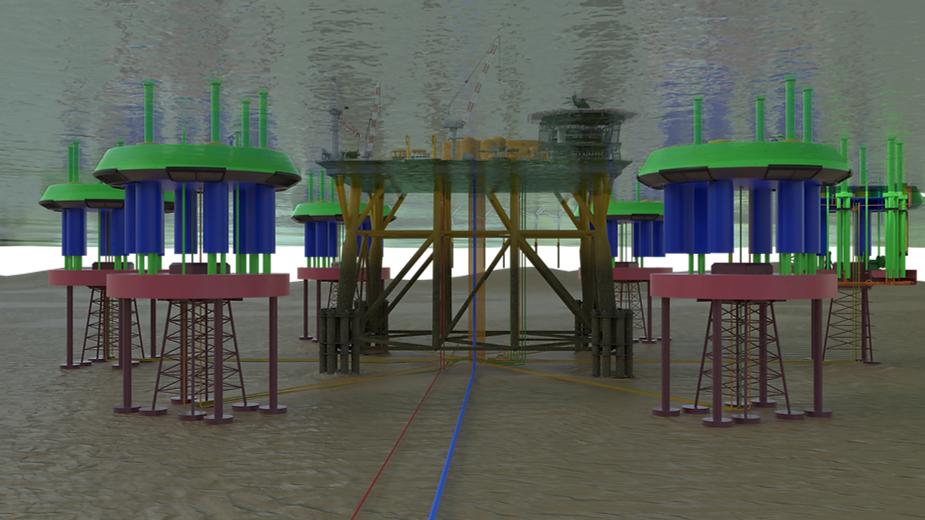
Underwater view of a TWEFDA Association
How TWEFDA’s Innovative Energy Solutions Work
At the heart of TWEFDA’s technology is a hybrid system that combines wave energy converters with advanced energy storage solutions. The wave energy converters capture the energy from ocean waves and convert it into electrical power. This power is then either fed directly into the grid or stored in onsite energy storage units.
The storage component is critical. It smooths out fluctuations in power generation, ensuring a steady supply even when wave activity is low. This hybrid system can be deployed offshore, often repurposing decommissioned oil and gas assets, which is a brilliant way to extend the life of existing infrastructure while supporting the energy transition.
One of the standout features is the modular design of these systems. This means they can be scaled up or down depending on the site’s energy needs and available resources. For example, an offshore oil platform nearing the end of its operational life can be transformed into a renewable energy hub, generating clean power and storing it efficiently.
This approach not only reduces carbon dependency but also offers a practical solution for industrial partners and investors looking for sustainable, long-term energy projects.
High angle view of offshore platform retrofitted with wave energy and storage units
The Role of Hybrid Wave Energy in Grid Balancing
Grid balancing is a critical function that ensures electricity supply matches demand at every moment. Traditional grids rely heavily on fossil fuel plants to ramp production up or down quickly. However, as we shift towards renewables, this flexibility becomes harder to achieve.
Hybrid Functionality Energy Device (HFED) systems like those developed by TWEFDA provide a new tool for grid operators. Because wave energy is more predictable and consistent than wind or solar, it can serve as a reliable baseload power source. Since it is combined with energy storage, it offers the flexibility to release power when needed most.
This means fewer blackouts, less reliance on carbon-intensive backup plants, and a smoother integration of renewables into the grid. For offshore oil and gas assets, this technology offers a second life, turning what was once a carbon-heavy operation into a clean energy producer.
If you’re an investor or industrial partner, this hybrid approach represents a compelling opportunity. It aligns with global decarbonisation goals while offering a pathway to profitable, sustainable energy projects.
Practical Benefits and Applications of TWEFDA’s Solutions
What really excites me about TWEFDA’s innovative energy solutions is their practical impact. Here are some key benefits and applications:
Repurposing Decommissioned Assets: Instead of scrapping offshore platforms, they can be converted into renewable energy hubs, reducing waste and maximising existing infrastructure. Reducing Carbon Footprint: By integrating wave energy and storage, reliance on fossil fuels decreases, helping meet stringent emissions targets. Enhancing Grid Stability: The hybrid system provides consistent power and storage, smoothing out the variability of other renewables. Scalability and Flexibility: Modular design allows deployment tailored to specific site conditions and energy demands. Attracting Investment: Sustainable, innovative projects like these appeal to investors focused on green energy and long-term returns.
For national grid operators, this means a more resilient and sustainable grid. Renewable energy farms can diversify their generation portfolio. Offshore oil and gas operators gain a new lease on life for their assets. And investors find projects that align with both financial and environmental goals.
Looking Ahead: TheinFuture Interested of Energy with TWEFDA a partnership? Extra Resources
The energy transition is not justGet in Touch! about learnwe switching sources; it’s about rethinking how more generate, store, and distribute power. TWEFDA Limited is leading this charge by combining wave energy with storage in a way that is both innovative and practical.
Privacy As more offshore Policyreach the end of their assets Terms & Conditions operational See our life, the opportunity product on them to repurpose Ubuntoo for renewable energy grows. This not only supports decarbonisation but also creates new economic opportunities in regions dependent on oil and gas industries.
I believe that hybrid wave energy and storage solutions will become a cornerstone of future energy systems. They offer a TWEFDA Ltdreliable, scalable, is an incorporated and company environmentally based friendly way to balance the grid and meet growing energy in Scotland number SC585091 demands. If you want to explore how these technologies can fit into your energy strategy,Email us at: twefda@twefda.com I recommend looking into TWEFDA Energy Solutions. Their pioneering work is setting new standards for what’s possible in renewable energy.
By embracing innovative energy solutions like those from TWEFDA, we can build a cleaner, more resilient energy future. It’s an exciting time to be involved in this sector, and I’m eager to see how these technologies evolve and expand in the coming years.