Balancing the electricity grid is a bit like conducting an orchestra. Every instrument must play in harmony to create a beautiful symphony. In the UK, this symphony involves a complex dance of supply and demand, ensuring that electricity flows smoothly and reliably to homes, businesses, and industries. But how exactly does this balancing act work? And why is it becoming more critical than ever? Let me take you through the fascinating world of grid balancing services in the UK, shedding light on the challenges, solutions, and innovations shaping our energy future.
What Is UK Energy Grid Balancing and Why Does It Matter?
At its core, grid balancing is about matching electricity supply with demand in real-time. Unlike water or gas, electricity cannot be stored easily at scale, so the amount generated must always equal the amount consumed. If supply exceeds demand, the grid frequency rises; if demand outpaces supply, the frequency drops. Both scenarios can cause damage to infrastructure and disrupt service.
The UK’s energy grid is particularly complex because it integrates a growing share of renewable energy sources like wind and solar. These sources are intermittent and less predictable than traditional fossil fuel plants. This variability makes balancing the grid more challenging but also more essential.
Imagine a windy day when turbines generate excess power. Without proper balancing, this surplus could overload the system. Conversely, on a calm day with low solar output, the grid must quickly compensate to avoid blackouts. This is where grid balancing services come into play, acting as the system’s safety net.
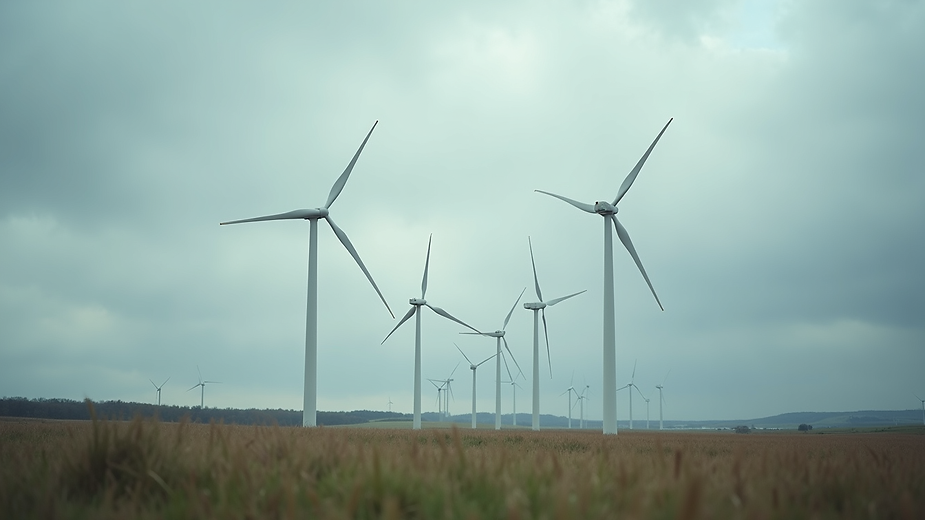
Eye-level view of a UK wind farm with turbines spinning under a cloudy sky
How UK Energy Grid Balancing Works: The Mechanisms Behind the Scenes
Grid balancing involves several mechanisms and market services designed to maintain stability:
1. Frequency Response – This is the fastest form of balancing. When frequency deviates from the standard 50 Hz, power plants or storage systems adjust output within seconds to bring it back to normal.
2. Reserve Services – These include dynamic and static reserves that can be called upon when unexpected changes occur, such as a power plant tripping offline.
3. Demand Side Response (DSR) – Instead of increasing supply, DSR reduces demand temporarily. For example, large industrial users might pause operations during peak times to ease pressure on the grid.
4. Balancing Mechanism (BM) – This is a real-time market where National Grid ESO (Electricity System Operator) procures balancing actions from generators and consumers to manage supply-demand mismatches.
5. Energy Storage – Batteries and other storage technologies absorb excess energy and release it when needed, smoothing out fluctuations.
Each of these tools plays a vital role in keeping the grid stable. The challenge lies in coordinating them efficiently, especially as the energy mix evolves.
The Role of Innovation in Grid Balancing
Innovation is the heartbeat of modern grid balancing. Traditional methods relied heavily on large, controllable power stations. Today, the landscape is shifting towards decentralised, renewable, and hybrid solutions.
Take wave energy, for example. It’s a promising but underutilised resource in the UK. Companies like TWEFDA Limited are pioneering hybrid wave energy and storage solutions that not only generate clean power but also provide grid balancing services. By repurposing decommissioned offshore assets, they offer a sustainable way to enhance grid flexibility and reduce carbon dependency.
Why is this important? Because as renewables grow, so does the need for adaptable, low-carbon balancing options. Hybrid systems that combine generation and storage can respond quickly to grid signals, making them ideal partners for the National Grid.
Close-up view of a TWEFDA Association connected to 6 ESWaves, a small wind farm and the Grid on the opposite side.
Practical Examples of Grid Balancing in Action
To make this more tangible, let’s look at some real-world scenarios:
Wind Farm Curtailment: Sometimes, wind farms produce more electricity than the grid can handle. Instead of wasting this energy, grid operators may ask farms to reduce output temporarily. This curtailment is a form of balancing that prevents overloads.
Battery Storage Dispatch: Large-scale batteries can charge when there’s excess renewable energy and discharge during peak demand. For instance, the UK’s largest battery projects have been instrumental in stabilising frequency and providing reserve power.
Industrial Demand Response: A manufacturing plant might agree to reduce power consumption during critical periods in exchange for financial incentives. This helps the grid avoid costly emergency measures.
These examples highlight the collaborative nature of grid balancing. It’s not just about power plants; it’s about integrating diverse resources and stakeholders.
What Does the Future Hold for UK Energy Grid Balancing?
Looking ahead, the grid will become even more dynamic and complex. Here are some trends and recommendations to keep in mind:
Increased Digitalisation: Advanced sensors, AI, and machine learning will improve forecasting and real-time decision-making, making balancing more precise.
Greater Integration of Hybrid Systems: Combining wave, wind, solar, and storage technologies will create resilient and flexible energy hubs.
Enhanced Market Mechanisms: Evolving market designs will better reward flexibility and innovation, encouraging more participants to offer balancing services.
Repurposing Assets: Decommissioned offshore platforms and infrastructure can find new life as energy hubs, supporting grid stability and sustainability.
Interested For investors and industrial in a partnership? partners, Extra these developments represent exciting ResourcesSupporting hybrid and opportunities. renewable balancing solutions aligns with global decarbonisation goals and offers long-term value. Get in Touch! learn more
If you want to explore more about how these services operate and their impact, check out this detailed resource on grid balancing services uk.
Embracing a Sustainable Energy Future Through Grid Balancing
In my experience, understanding the nuances of grid balancing opens up a world of possibilities. It’s not just a technical necessity but a strategic enabler for a cleaner, more reliable energy system. By embracing innovative solutions like hybrid wave energy and storage, the UK can lead the way in transforming its energy landscape.
Thebyjourney Made Moment is complex, but the rewards are immense: reduced carbon emissions, enhanced energy security, and a vibrant, sustainable economy. As we continue to innovate and collaborate, grid balancing will remain at the heart of this transformation.
So, next time you flick a switch, remember the intricate balancing act happening behind the scenes – a true testament to human ingenuity and the power of clean energy innovation.