Balancing the electricity grid is no small feat. As demand fluctuates and renewable energy sources like wind and solar become more prevalent, maintaining a stable and reliable power supply requires cutting-edge solutions. Over the past few years, the UK has made significant strides in grid balancing technology, integrating innovative systems that not only enhance efficiency but also support the transition to a low-carbon future. Today, I want to take you through some of the latest advancements in this field, explaining how they work and why they matter.
Understanding Grid Technology Explained
Before diving into the newest technologies, it’s important to understand the basics of grid balancing. The electricity grid must constantly match supply with demand. If too much power is generated, it can overload the system; too little, and blackouts may occur. Traditionally, this balancing act relied heavily on fossil fuel power plants that could quickly ramp output up or down.
However, with the rise of renewables, which are intermittent by nature, the grid needs smarter, more flexible solutions. This is where modern grid technology comes in. It involves a combination of advanced software, energy storage, demand response, and innovative generation methods to keep the grid stable and efficient.
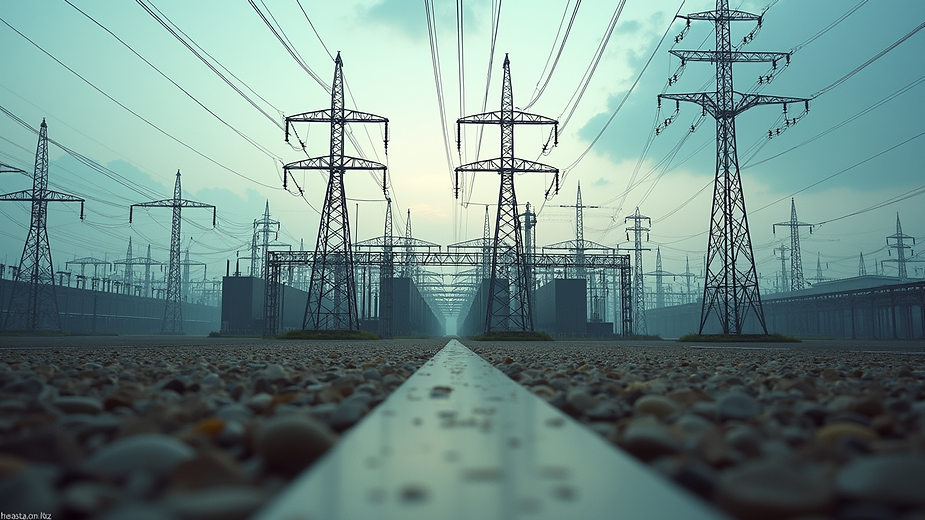
Key Innovations in UK Grid Balancing Technology
The UK’s grid balancing landscape is evolving rapidly. Here are some of the most exciting technologies making a difference:
1. Battery Energy Storage Systems (BESS)
Battery storage has become a cornerstone of grid balancing. Large-scale lithium-ion battery installations can store excess energy generated during periods of low demand and release it when demand spikes. This helps smooth out fluctuations caused by renewable energy sources.
For example, the UK has deployed several grid-scale battery projects that can respond within milliseconds to frequency changes, providing what’s called “frequency response” services. These batteries not only improve grid stability but also reduce the need for fossil fuel peaker plants.
2. Demand Side Response (DSR)
DSR is a clever way to balance the grid by adjusting electricity consumption rather than generation. Industrial and commercial users can reduce or shift their power usage during peak times in exchange for financial incentives. This flexibility helps prevent grid overloads and reduces the need for additional power plants.
Smart meters and IoT devices play a crucial role here, enabling real-time communication between grid operators and consumers. This technology is becoming increasingly sophisticated, allowing for automated demand adjustments without disrupting business operations.
3. Hybrid Wave Energy and Storage Solutions
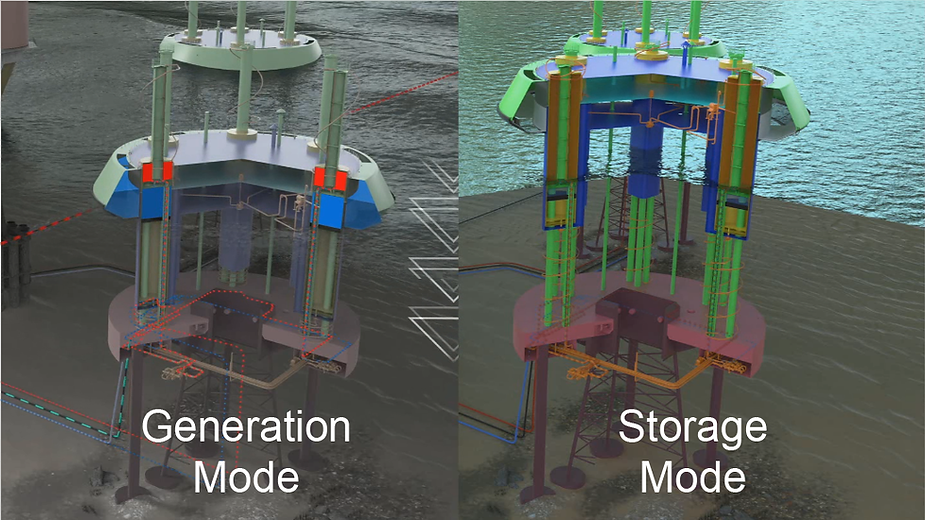
One of the most promising developments is the integration of wave energy systems with storage technology. These systems, on demand, harness the power of ocean waves to generate electricity, or store excess for use when needed. This approach not only provides a renewable energy source but also offers a reliable way to balance supply and demand.
TWEFDA Limited is pioneering this technology, aiming to repurpose decommissioned offshore assets to create sustainable energy hubs. By combining wave energy with storage, these hybrid systems can deliver consistent power output, even when wave conditions vary.
How Advanced Software Enhances Grid Stability
Behind the scenes, sophisticated software platforms are transforming grid management. These platforms use artificial intelligence and machine learning to predict demand patterns, optimise energy dispatch, and coordinate distributed energy resources.
For instance, predictive analytics can forecast when renewable generation will be high or low, allowing grid operators to plan accordingly. Automated control systems can then adjust battery discharge, demand response, and other resources in real time to maintain balance.
This level of automation reduces human error and increases the grid’s resilience against unexpected events, such as sudden weather changes or equipment failures.
Practical Recommendations for Grid Operators and Investors
If you’re involved in managing or investing in grid infrastructure, here are some actionable insights to consider:
- Invest in energy storage: Battery systems are proven to enhance grid flexibility and can provide multiple revenue streams through frequency response and capacity markets.
- Explore demand side response programs: Engaging with DSR can reduce operational costs and improve grid reliability.
- Support hybrid renewable projects: Technologies like wave energy combined with storage offer long-term sustainability and can repurpose existing offshore infrastructure.
- Leverage advanced analytics: Implementing AI-driven software tools can optimise asset utilisation and improve forecasting accuracy.
- Collaborate across sectors: Grid balancing requires coordination between operators, renewable farms, industrial users, and investors to maximise benefits.
By adopting these strategies, stakeholders can contribute to a more stable, efficient, and greener electricity system.
Looking Ahead: The Future of UK Grid Balancing
The future of grid balancing in the UK looks bright. Innovations continue to emerge, driven by the urgent need to decarbonise and modernise the energy system. Hybrid solutions, like those combining wave energy and storage, represent a new frontier that could revolutionise how we think about power generation and grid stability.
Moreover, as digital technologies advance, the grid will become smarter and more adaptive. This will enable better integration of diverse energy sources and more active participation from consumers.
If you want to dive deeper into the latest developments, I recommend exploring resources on uk grid balancing technology to stay informed about ongoing projects and innovations.
In the end, the goal is clear: to create a resilient, sustainable energy future that supports economic growth while protecting the environment. With the right technologies and collaboration, this vision is well within reach.