Balancing the electricity grid is no small feat. As demand fluctuates and renewable energy sources like wind and solar become more prevalent, the challenge of maintaining a stable and reliable power supply grows. Over the past few years, the UK has witnessed remarkable innovations in grid technology UK innovations that are transforming how we manage this delicate balance. Today, I want to take you through some of the most exciting advancements that are shaping the future of energy in the UK.
The Growing Need for Smarter Grid Solutions
The UK’s energy landscape is evolving rapidly. With ambitious targets to reduce carbon emissions and increase renewable energy capacity, the grid must adapt to handle intermittent power sources. Traditional methods of grid balancing, such as relying on fossil fuel power plants to ramp up or down, are no longer sufficient or sustainable.
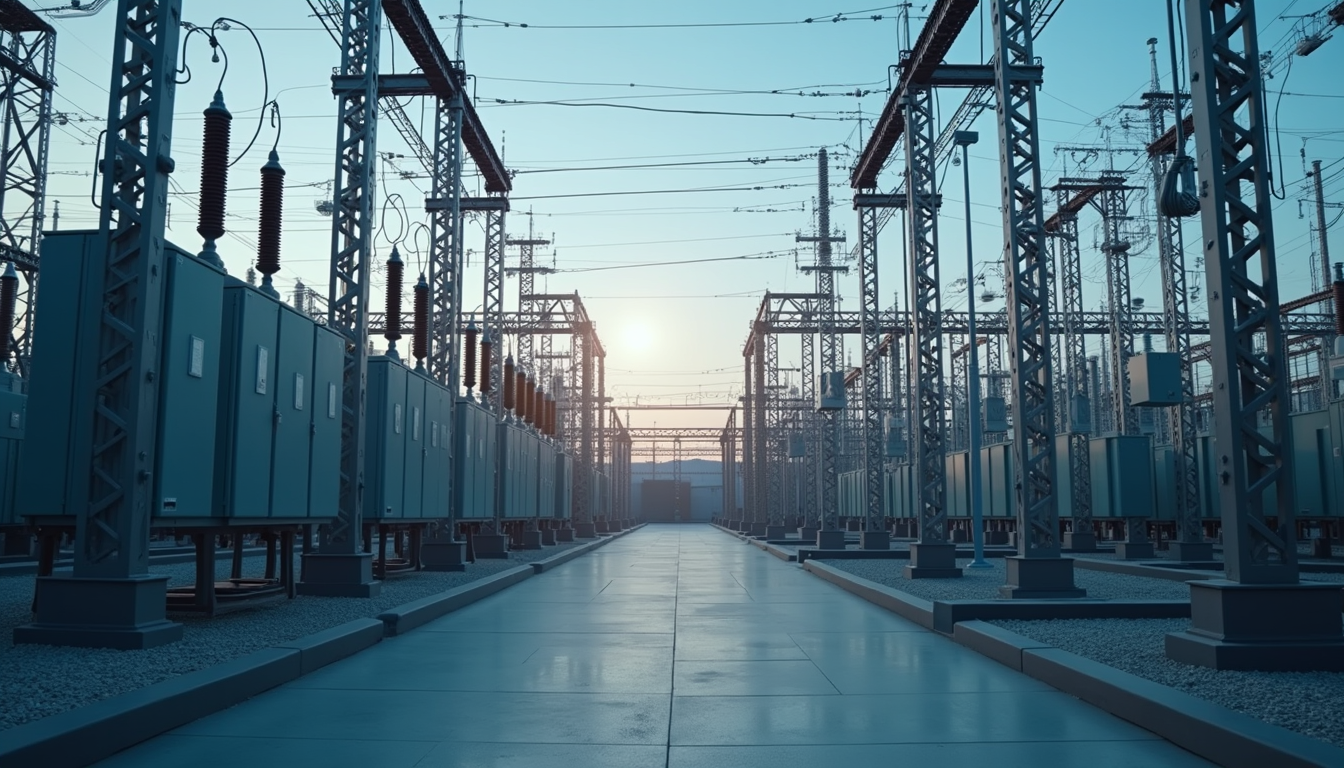
One of the key drivers behind these innovations is the integration of smart grid technologies. These systems use real-time data, advanced analytics, and automation to respond dynamically to changes in supply and demand. For example, smart meters installed in homes and businesses provide granular consumption data, enabling more precise forecasting and load management.
Moreover, energy storage solutions like batteries and pumped hydro are becoming essential. They store excess energy generated during peak renewable production and release it when demand spikes or generation dips. This flexibility is crucial for maintaining grid stability without resorting to carbon-intensive backup power.
Cutting-Edge Technologies Driving Grid Stability
Several innovative technologies are at the forefront of the UK’s grid balancing revolution. Let’s explore some of the most impactful:
Hybrid Energy Storage Systems
Combining different types of energy storage can optimise performance and cost. For instance, pairing fast-response batteries with longer-duration storage like compressed air or hydrogen allows the grid to handle both short-term fluctuations and prolonged supply gaps. This hybrid approach is gaining traction in the UK, especially in regions with high renewable penetration.
Demand Side Response (DSR)
DSR programs incentivise consumers to adjust their electricity usage during peak times or when the grid is under stress. This can be as simple as delaying the start of a dishwasher or as complex as industrial facilities temporarily reducing output. Advances in automation and IoT devices make it easier than ever to participate in DSR, turning consumers into active grid participants.
Advanced Forecasting and AI
Predicting renewable generation and demand patterns is notoriously difficult due to weather variability and human behaviour. However, AI-powered forecasting tools are improving accuracy by analysing vast datasets, including weather models, historical consumption, and market trends. These insights help grid operators make informed decisions and pre-empt potential imbalances.
Repurposing Decommissioned Assets
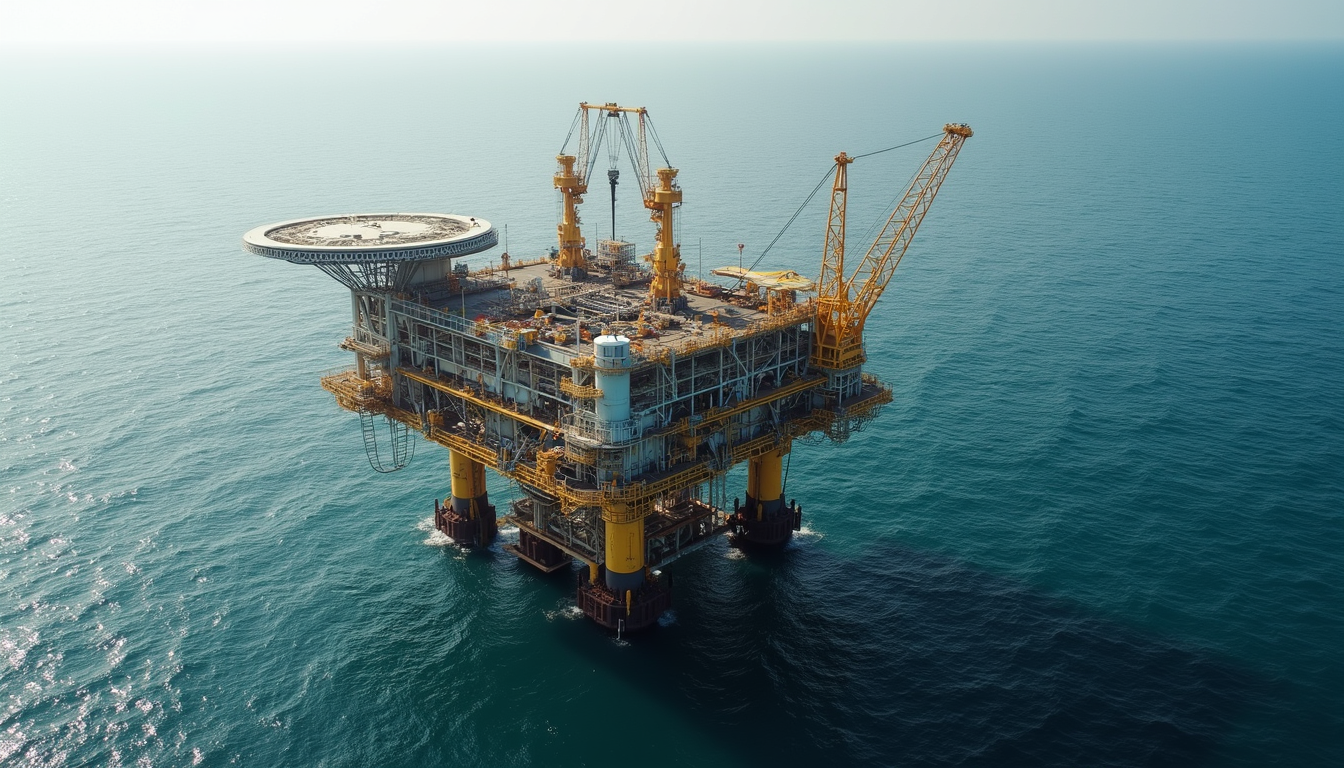
An exciting trend is the reuse of decommissioned offshore oil and gas infrastructure for energy storage and grid support. Platforms and pipelines can be converted into sites for battery storage or hydrogen production, reducing costs and environmental impact. This aligns perfectly with the UK’s goal of a sustainable energy future.
How These Innovations Impact Grid Operators and Investors
For grid operators, these technologies offer enhanced control and resilience. Real-time monitoring and automated responses reduce the risk of blackouts and improve service reliability. Operators can also better integrate distributed energy resources, such as rooftop solar and community batteries, creating a more decentralised and flexible grid.
Investors see significant opportunities in this evolving market. The demand for energy storage, smart grid infrastructure, and digital solutions is growing rapidly. Projects that combine renewable generation with innovative balancing technologies are particularly attractive, offering both environmental benefits and strong financial returns.
Moreover, companies like TWEFDA Limited are pioneering hybrid wave energy and storage solutions that promise to revolutionise grid balancing. By harnessing ocean energy and integrating storage, they aim to reduce carbon dependency and breathe new life into decommissioned assets. This approach not only supports the grid but also contributes to the UK’s net-zero ambitions.
Practical Steps to Embrace Grid Balancing Innovations
If you’re involved in managing or investing in energy assets, here are some actionable recommendations to stay ahead:
- Evaluate Hybrid Storage Options: Assess the feasibility of combining battery storage with other technologies like hydrogen or compressed air to maximise flexibility.
- Leverage Data Analytics: Invest in AI-driven forecasting tools to improve operational planning and risk management.
- Engage in Demand Side Response: Explore partnerships with consumers and businesses to implement DSR programs that reduce peak load pressures.
- Consider Asset Repurposing: Identify opportunities to convert existing infrastructure for energy storage or renewable integration.
- Collaborate with Innovators: Work with companies developing cutting-edge solutions, such as hybrid wave energy systems, to pilot new technologies.
By adopting these strategies, you can contribute to a more resilient and sustainable energy system while unlocking new value streams.
Looking Ahead: The Future of UK Grid Balancing
The journey towards a fully balanced, low-carbon grid is ongoing. As technology advances and policies evolve, the UK is well-positioned to lead in grid innovation. The integration of diverse energy sources, smarter control systems, and innovative storage solutions will be key to meeting future challenges.
I’m particularly excited about the potential of hybrid wave energy combined with storage, as championed by TWEFDA Limited. This approach not only diversifies the energy mix but also utilises existing assets in a sustainable way. It’s a perfect example of how innovation can drive both environmental and economic benefits.
If you want to dive deeper into the latest developments, I recommend exploring resources on uk grid balancing technology to stay informed about ongoing projects and opportunities.
Together, these innovations are shaping a smarter, greener, and more reliable energy future for the UK.
Thank you for joining me on this exploration of grid technology UK innovations. I hope this insight helps you navigate the exciting changes ahead.