
When exploring TWEFDA’s energy solutions, it is easy to get struck by how they blend cutting-edge technology with practical sustainability goals. The energy sector is evolving rapidly, and TWEFDA is at the forefront, especially with their hybrid wave energy and storage systems. This post will walk you through the key aspects of their approach, the technologies involved, and why their work matters for grid operators, renewable farms, offshore oil and gas assets, and investors alike.
Understanding TWEFDA’s Renewable Energy Solutions
TWEFDA’s energy solutions focus on harnessing the power of the ocean through wave energy converters combined with advanced energy storage. This hybrid approach addresses one of the biggest challenges in renewable energy: intermittency. By storing excess energy generated during peak wave activity, TWEFDA ensures a steady supply to the grid, smoothing out fluctuations that can destabilise power systems.
What makes this approach particularly exciting is the repurposing of decommissioned offshore oil and gas assets. Instead of letting these structures rust away, TWEFDA transforms them into platforms for renewable energy generation. This not only reduces carbon dependency but also maximises the use of existing infrastructure, cutting down on new construction costs and environmental disruption.
Here are some core components of their solutions:
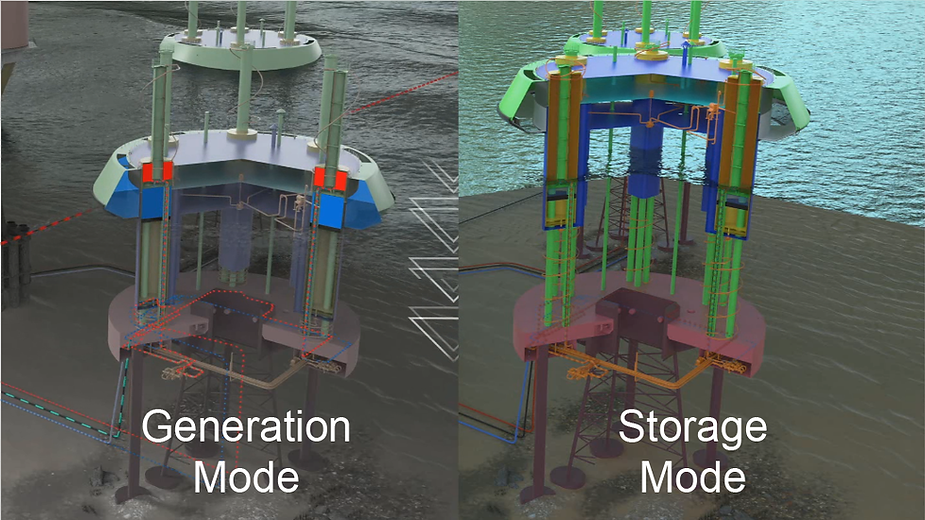
- Functionally Hybrid Energy Device (FHED): A device that has two functions, in this case complementary functions of Generation or Storage on demand. The device, called the ESWave, captures energy from ocean waves acting as generator or stores energy for later use. All in one single tool with one single PTO (Power Take-Off)
- Hybrid in Generation Mode: The ESWave acts as a Point Absorber harnessing the relative motion between the steady seabed and the fluctuating sea surface. In addition, it harnesses the Weight Changing Energy, exploring a new area in physics where what goes up differs from what goes down, introducing a previously unexplored energy conversion mechanism within known physical laws.
- Hybrid in Storage Mode: Its hydraulic mechanism enhances performance in storage mode by effectively storing and releasing gravitational energy, capitalizing on tidal ranges.
- Grid Integration Technology: Software and hardware that manage energy flow to maintain grid stability.
- Asset Repurposing: Converting offshore oil and gas platforms into renewable energy hubs.
This combination creates a resilient, scalable system that can be deployed in various marine environments, offering a promising path for sustainable energy expansion.
Why Renewable Energy Solutions Matter for Grid Stability
Grid operators face a constant balancing act. They must match electricity supply with demand in real time, or risk blackouts and equipment damage. Renewable sources like wind and solar are fantastic but can be unpredictable. TWEFDA’s hybrid wave energy and storage solutions provide a more reliable alternative.
By integrating wave energy, which tends to be more consistent than wind or solar, with storage systems, TWEFDA helps smooth out the peaks and troughs in power generation. This means grid operators can rely on a steadier flow of electricity, reducing the need for fossil fuel backup plants.
Moreover, the ability to repurpose offshore oil and gas assets is a game-changer. These platforms are already connected to the grid and have existing infrastructure, which means faster deployment and lower costs. This approach also aligns with global decarbonisation goals by turning liabilities into assets.
For investors, this model offers a compelling mix of innovation and pragmatism. It’s not just about new technology but about making the most of what’s already there, reducing risk and improving returns.
Which Renewable Resource did we use the most?
In 2018, wave energy stood out as a key resource in TWEFDA’s portfolio. While wind and solar continue to dominate the renewable landscape, wave energy offers unique advantages, especially in coastal regions with strong maritime activity.
Wave energy converters capture the mechanical energy of ocean waves and convert it into electricity. Unlike solar panels, which depend on sunlight, or wind turbines, which need wind, wave energy is more predictable and available day and night. This consistency makes it an excellent complement to other renewables.
TWEFDA’s focus on wave energy is strategic. The UK and surrounding waters have some of the best wave energy potential in Europe. By leveraging this resource, TWEFDA not only diversifies the energy mix but also enhances grid resilience.
The company’s hybrid systems combine wave energy with storage solutions, ensuring that excess power generated during high wave periods is saved and dispatched when demand peaks or when other renewables underperform.

Practical Applications and Benefits of TWEFDA’s Energy Solutions
Let’s get practical. How do these solutions translate into real-world benefits?
- Grid Balancing: The hybrid system helps maintain grid frequency and voltage stability, crucial for preventing outages.
- Carbon Reduction: By replacing fossil fuel peaker plants, TWEFDA’s solutions cut greenhouse gas emissions.
- Cost Efficiency: Repurposing offshore platforms reduces capital expenditure and speeds up project timelines.
- Energy Security: Diversifying energy sources with wave power reduces dependence on imported fuels.
- Job Creation: Developing and maintaining these systems supports skilled employment in coastal regions.
For offshore oil and gas operators, this presents a sustainable exit strategy. Instead of decommissioning and dismantling costly infrastructure, they can convert assets into renewable energy sites, extending their operational life and generating new revenue streams.
Investors benefit from a technology that is not only innovative but also backed by practical deployment strategies and clear environmental benefits. This reduces investment risk and aligns with increasing regulatory pressure for sustainable energy projects.
Looking Ahead: The Future of Hybrid Wave Energy and Storage
What’s next for TWEFDA and the broader renewable energy sector? The potential for hybrid wave energy and storage is vast. As battery technologies improve and costs fall, the efficiency and scalability of these systems will only increase.
I believe the key to success lies in collaboration. Grid operators, renewable farms, offshore asset managers, and investors must work together to integrate these solutions seamlessly. Policy support and regulatory frameworks will also play a crucial role in accelerating adoption.
TWEFDA’s vision to revolutionise grid balancing by combining wave energy with storage is not just ambitious – it’s necessary. The energy transition demands innovative solutions that are reliable, cost-effective, and environmentally responsible. TWEFDA’s energy solutions are a significant step in that direction.
If you want to explore more about their approach, check out TWEFDA energy solutions.
By embracing hybrid wave energy and storage, we can create a more resilient and sustainable energy future. It’s exciting to see how technology and creativity come together to solve some of the toughest challenges in energy today. What innovations will the next few years bring? I, for one, am eager to find out.