
THE VALUE OF ENERGY DEPENDS ON WHAT THE SYSTEM NEEDS — AND WHEN.
TWEFDA’s architecture was conceived around flexibility. That creates relevance across existing electricity markets and also opens routes that do not fit neatly into the traditional categories of generator or storage asset.
THE GRID CANNOT USE EVERY MEGAWATT AT EVERY MOMENT.
Electricity systems must continuously match generation and demand. Variable renewables make that task more dynamic: there are moments when additional generation is valuable and moments when absorbing energy is more useful.
ESWave is intended to respond to that distinction rather than behaving as a generator regardless of system conditions.
SURPLUS POWER → STORE
TIME BECOMES AN ENERGY RESOURCE.
If an asset can absorb energy when it is abundant or inexpensive and return energy when it is scarce or more valuable, time itself becomes part of the commercial proposition.
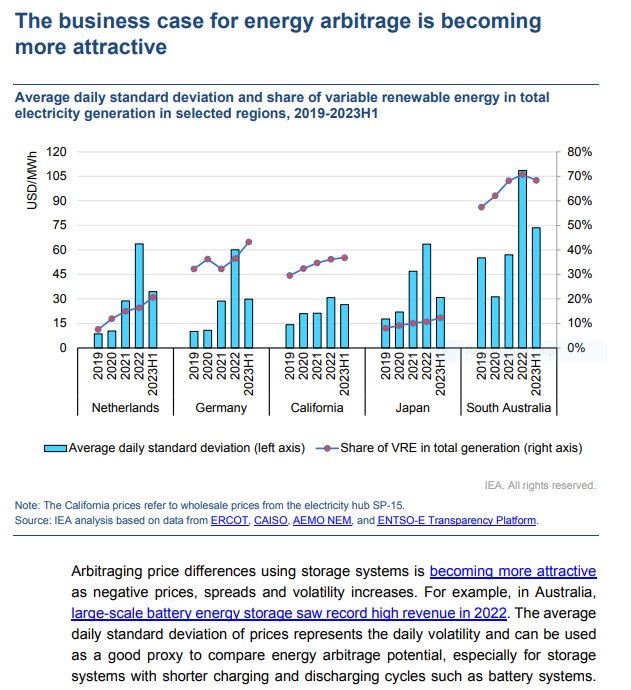
TWEFDA’s storage function creates a route to arbitrage and other flexibility services without making electrochemical batteries the core storage mechanism.
The Association adds another layer: some machines may generate while others store, allowing the system to choose how to use time as well as energy.
THE ORIGINAL RESOURCE.
As a generator, ESWave is a point absorber: a buoyant body moves with the sea while reacting against a fixed reference. The basic resource is the relative motion between the fluctuating sea surface and the seabed.
The wave-energy route is familiar. TWEFDA’s innovation is to place additional energy functions inside the same hardware platform.
A POTENTIAL NEW MARKET, NOT JUST A NEW DEVICE.
Weight-Changing Energy is TWEFDA’s proposed non-reciprocal conversion mechanism: the machine changes its state between upward and downward motion so the two parts of the cycle are no longer equivalent.
If physical validation confirms the modelled performance, WCE could be integrated into point absorbers beyond TWEFDA’s own ESWave. That is why TWEFDA treats it as a technology route in its own right and why WaveAmp has been created as a focused European commercialisation vehicle.
A GREEN BATTERY WITHOUT MAKING BATTERY CHEMISTRY THE STORAGE MEDIUM.
ESWave can use incoming electrical or hydraulic energy to increase its gravitational potential, creating pumped-hydro behaviour in the ocean.
The goal is large-scale mechanical storage based on mass, water and elevation — materials and mechanisms familiar to conventional hydroelectric infrastructure.
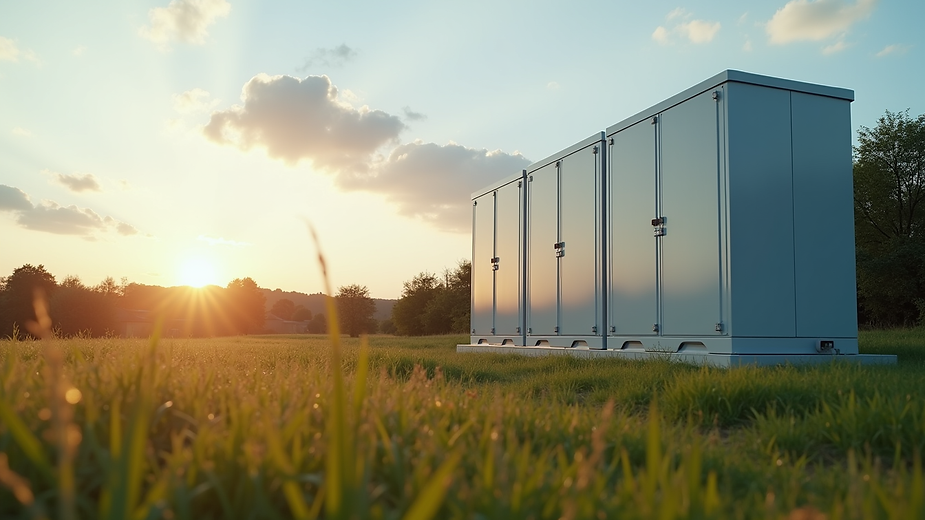
STORED ENERGY CAN BE RELEASED INTO A CHANGING SEA LEVEL.
A conventional storage asset is a net consumer over a full cycle. TWEFDA explores whether the tidal range can add a second energy contribution during the release of gravitational energy, creating a hybrid storage function rather than storage alone.
ONE LOCATION CAN HOST MORE THAN ONE BUSINESS CASE.
Renewable farms
The Association can interact with wind, solar and other marine generation, absorbing energy during local or grid constraints.
Offshore consumers
Existing offshore operations can use local renewable generation and storage to reduce the carbon intensity of their energy supply.
Shared infrastructure
The Hub can centralise connection, processing, control and future services rather than treating every asset as an isolated project.
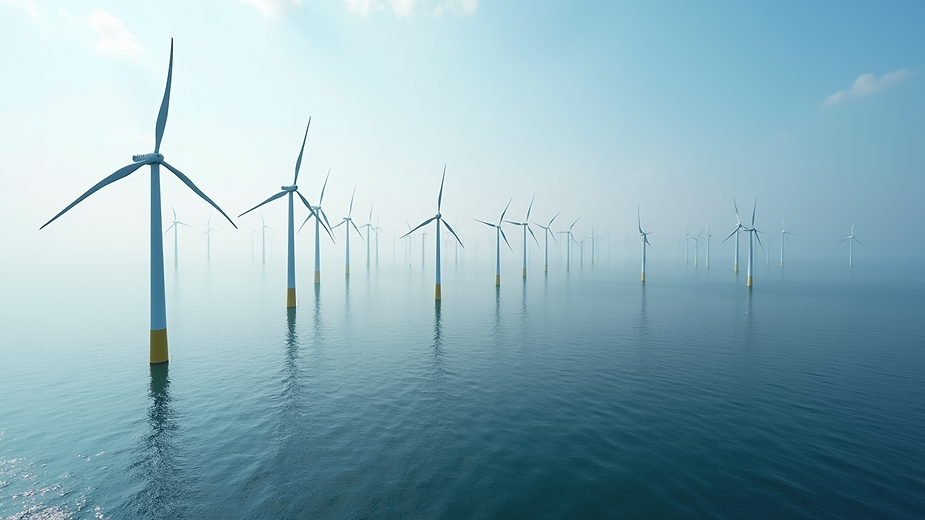
AN END-OF-LIFE OIL & GAS ASSET MAY STILL HAVE ENERGY VALUE.
TWEFDA began with the idea that decommissioning and energy transition do not always have to be separate conversations. Selected offshore structures, pipelines, wells, power routes or simply strategic locations may be candidates for a second life where engineering and regulation support it.
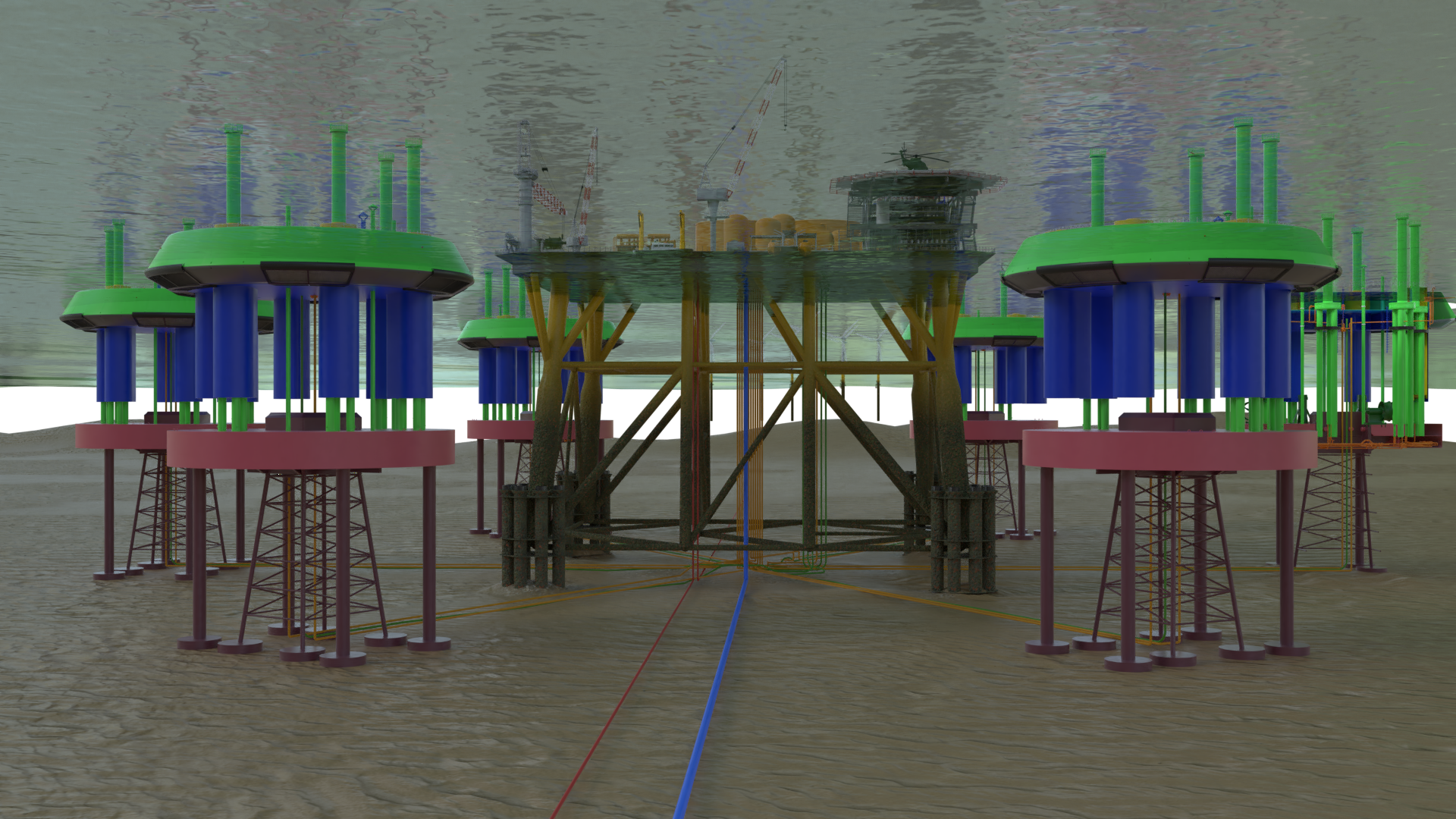
TWEFDA DOES NOT NEED TO OWN EVERY PROJECT TO PARTICIPATE IN THE VALUE.
The commercial model is technology-led: licensing, royalties and partnerships with organisations that already know how to build, finance, operate or sell energy. That allows TWEFDA to focus on IP, engineering, validation and system architecture.
FIVE ESTABLISHED VALUE POOLS — AND ONE POTENTIAL NEW ONE.
Wave · Tidal range · Storage · Flexibility · Arbitrage · Weight-Changing Energy.