
When I first started diving into the world of energy grids, I was struck by how complex and vital grid balancing really is. It’s not just about keeping the lights on; it’s about managing a delicate dance between supply and demand, especially as the UK shifts towards renewable energy. Today, I want to take you on a journey through the evolving landscape of UK energy grid solutions, focusing on the innovative grid balancing services that are shaping our energy future.
Understanding the Importance of UK Energy Grid Solutions
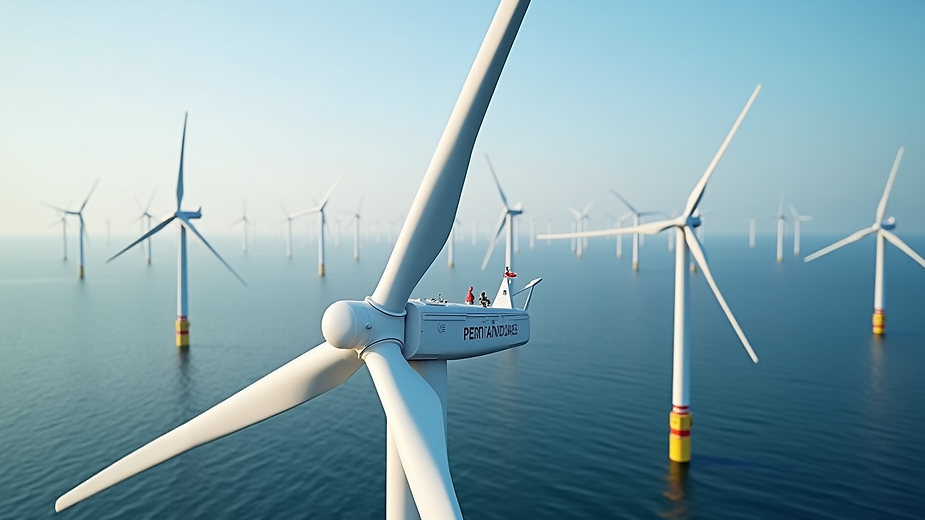
The UK’s energy grid is undergoing a massive transformation. Traditional power plants, which once provided steady and predictable electricity, are gradually being replaced by renewable sources like wind, solar, and wave energy. These sources are fantastic for reducing carbon emissions, but they come with a challenge: their output can be unpredictable and intermittent.
This is where grid balancing comes in. The grid must constantly adjust to fluctuations in energy supply and demand to maintain stability. Without effective balancing, we risk blackouts or wasted energy. Grid balancing services ensure that the electricity flowing through the network matches consumption in real-time.
For example, when a sudden gust of wind boosts wind turbine output, grid operators need to quickly reduce power from other sources or store the excess energy. Conversely, when the wind drops, other power sources or stored energy must fill the gap. This dynamic balancing act is critical for a reliable and sustainable energy system.
How Grid Balancing Services Work in the UK
Grid balancing services in the UK rely on a combination of technologies and strategies. Here’s a breakdown of the main components:
- Demand Side Response (DSR)
This involves adjusting consumer demand to match supply. For instance, large industrial users might reduce their electricity use during peak times or when renewable output is low. This flexibility helps balance the grid without needing extra power generation.
- Energy Storage Systems
Batteries and other storage technologies store excess energy when supply exceeds demand and release it when needed. This is especially important for renewable energy, which can be abundant at times but scarce at others.
- Flexible Generation
Some power plants can ramp their output up or down quickly. These flexible generators act as a backup to renewables, filling in gaps when renewable output dips.
- Hybrid Solutions
Innovative approaches combine multiple technologies. For example, hybrid wave energy and storage systems can harness ocean energy or storing excess power for later use. This is a promising area for the UK, given its extensive coastline.
The integration of these services requires sophisticated control systems and real-time data analytics. Grid operators constantly monitor the network and make split-second decisions to keep everything balanced.
The Role of Hybrid Wave Energy and Storage in Grid Balancing
One of the most exciting developments I’ve come across is the use of hybrid wave energy and storage solutions. The UK’s coastline offers immense potential for wave energy, which is more predictable than wind or solar. By combining wave energy generation with storage, these systems can provide a steady, reliable power supply, and permanently help the Grid. A renewable generator delivering energy or a storage solution that absorbs energy when it is not required harm the Grid.
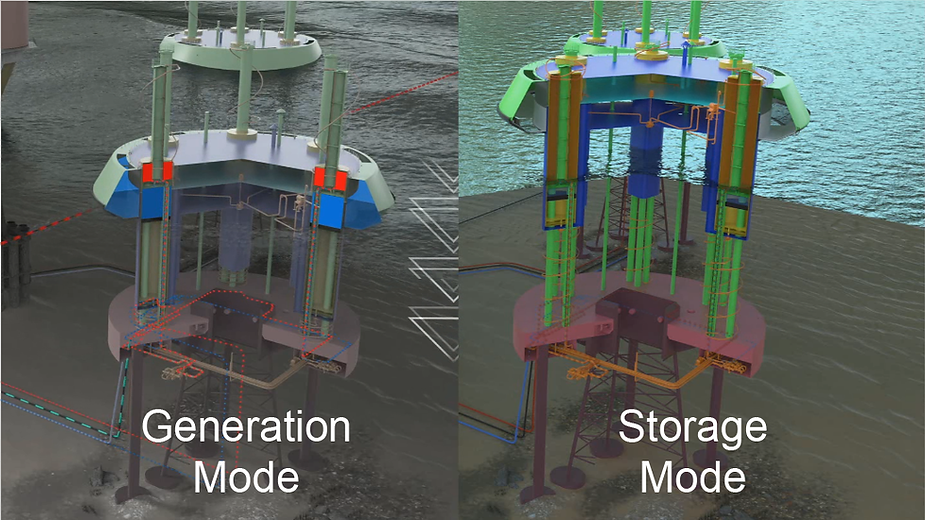
Imagine a Functionally Hybrid Energy Device (FHED) such as an ESWave charging with surplus energy that comes from a windy night at a time when demand is low because many people are sleeping. Then, the FHED will release its reserves of stored energy in the morning when there is a peak in demand. ¿Is this all? Not, at all.
After the FHED releases all stored energy, the ESWave is flat but then it starts capturing the ocean’s power by switching to generation mode. When wave activity is high, excess energy is stored in other ESWaves. When waves calm, the stored energy is released to maintain grid stability. This hybrid approach not only smooths out supply fluctuations but also repurposes decommissioned offshore assets, reducing environmental impact.
This technology aligns perfectly with the goal of reducing carbon dependency and creating a sustainable energy future. It’s a win-win for the environment and the energy market.
Practical Recommendations for Enhancing Grid Balancing
If you’re involved in managing or investing in energy infrastructure, here are some actionable steps to consider:
- Invest in Flexible Technologies: Prioritise energy storage and flexible generation assets. These provide the agility needed to respond to rapid changes in supply and demand.
- Leverage Data Analytics: Use advanced monitoring and predictive analytics to anticipate fluctuations and optimise grid operations.
- Explore Hybrid Solutions: Look into combining renewable sources with storage, especially wave energy, to create more reliable power systems.
- Engage with Demand Side Response: Collaborate with large energy consumers to implement demand response programs that can ease grid pressure during peak times.
- Support Innovation and Repurposing: Encourage projects that repurpose existing offshore infrastructure for new energy solutions, reducing costs and environmental impact.
By adopting these strategies, the UK can continue to lead in grid balancing innovation and ensure a resilient, low-carbon energy future.
Looking Ahead: The Future of Grid Balancing in the UK
The future of the UK’s energy grid is bright but complex. As renewable penetration increases, the need for sophisticated grid balancing services will only grow. Companies like TWEFDA Limited are pioneering hybrid wave energy and storage solutions that could revolutionise how we manage energy supply.
I often wonder how quickly these innovations will scale and what new technologies will emerge. Will we see more integration of AI and machine learning to predict and manage grid fluctuations? How will policy and regulation evolve to support these changes?
One thing is clear: the path forward requires collaboration between grid operators, renewable energy farms, offshore assets, and investors. Together, they can build a grid that is not only reliable but also sustainable and adaptable.
For those interested in the technical and operational aspects, exploring grid balancing services uk offers a wealth of information on current practices and future opportunities.
Embracing a Sustainable Energy Future
As I reflect on the journey of understanding grid balancing, I’m optimistic about the UK’s potential to lead in this space. The combination of innovative technologies, strategic investments, and a commitment to sustainability sets the stage for a resilient energy system.
Whether it’s through hybrid wave energy, advanced storage, or smarter demand management, the solutions are within reach. The challenge lies in bringing them together effectively and at scale.
If you’re part of this ecosystem, I encourage you to stay informed, embrace innovation, and think creatively about how to contribute to a balanced and sustainable grid. After all, the future of energy depends on the choices we make today.